Nature Is Making a Comeback: 252 Million Hectares Now Under Restoration, UN Report Finds
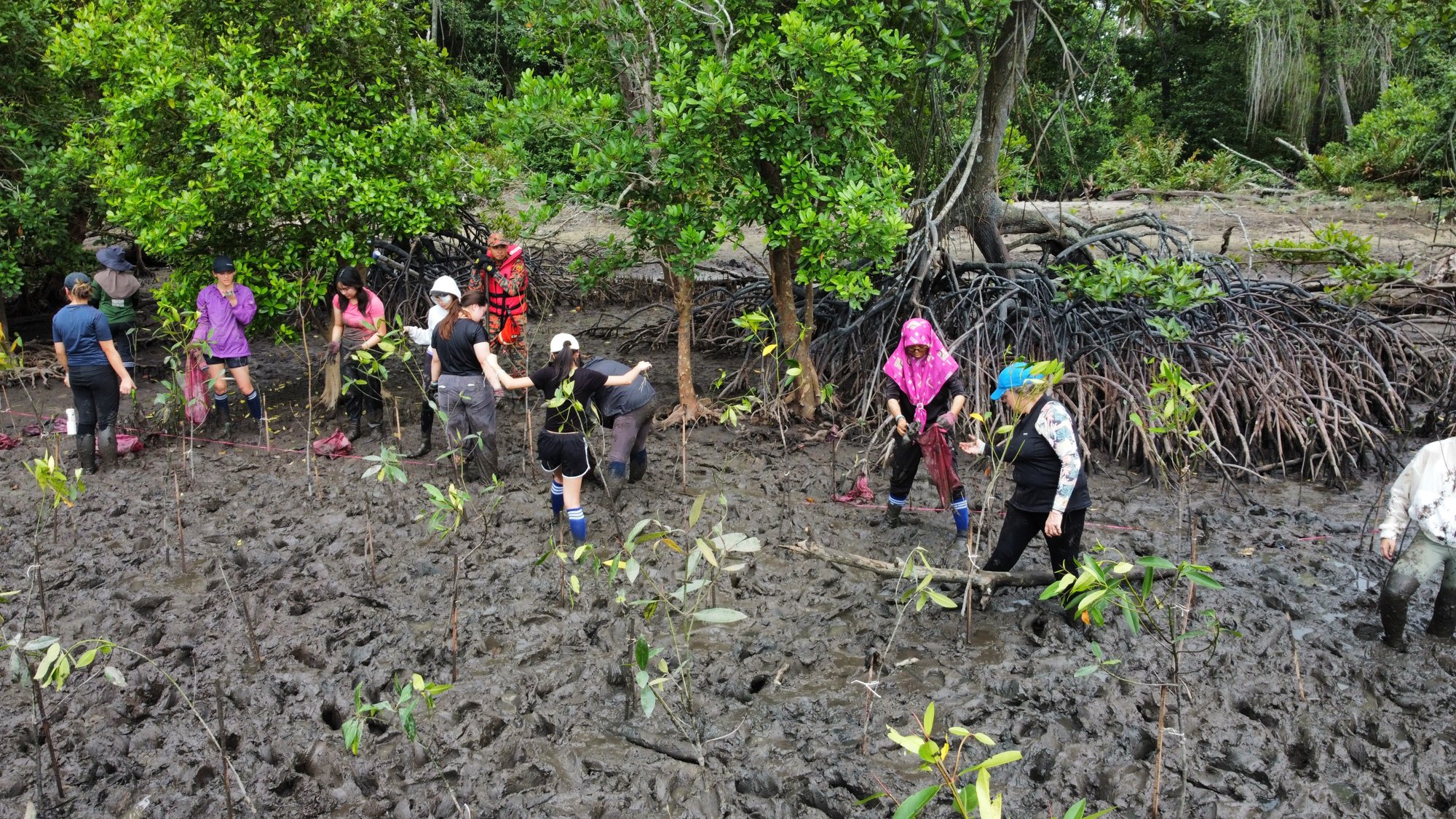
Across 149 countries, people are helping damaged land and water heal. A new United Nations report published on October 29, 2026, finds that 252 million hectares are now being restored, creating more than one million green jobs. The UN Environment Programme (UNEP) calls it the largest documented global restoration effort to date.
The report, Nature's comeback: scaling ecosystem restoration for people and planet, was co-published by the Food and Agriculture Organization of the United Nations (FAO), UNEP and the Secretariat of the Convention on Biological Diversity (CBD). It was launched at the UN Biodiversity Conference (COP17) in Yerevan, Armenia, midway through the UN Decade on Ecosystem Restoration, which runs from 2021 to 2030. UNEP describes it as the first comprehensive global assessment of progress toward commitments to restore around one billion hectares.
Real progress, uneven pace
According to UNEP, restoration of land ecosystems has reached nearly half of the global target to place 30 percent of degraded land ecosystems under restoration by 2030. Progress is far more limited for freshwater, marine and coastal ecosystems, which are also degrading fastest: only 11 million hectares of freshwater ecosystems and 5.7 million hectares of marine and coastal ecosystems are documented as under restoration. Yet momentum is growing. The share of countries reporting wetland restoration programmes has risen from 8 percent to 54 percent since 2022.
The report says annual restoration finance must more than quadruple, from US$64 billion to US$296 billion by 2030, an investment that could generate up to an estimated 32 million new jobs. It also stresses that secure land tenure and respect for the rights, knowledge and leadership of Indigenous Peoples are essential for restoration that lasts.
Voices from the launch
"Today, we are witnessing the makings of one of the largest movements for nature in recorded history," said Inger Andersen, Executive Director of UNEP, while noting that restoration is still not happening at the scale or speed required. FAO Director-General QU Dongyu put it simply: "Five years into the UN Decade, the message is clear: restoration works." Astrid Schomaker, Executive Secretary of the CBD Secretariat, added a needed caution: "We cannot expect to fix nature with one hand while we destroy it with the other one."
The launch also honoured five UN World Restoration Flagships in China, Colombia, Ethiopia, Italy and the United States. UNEP notes that documented successes among flagships include the recovery of mountain gorillas in East Africa, jaguars in Brazil, snow leopards in Kyrgyzstan and Ganges River dolphins in India. Each is a living sign that care, given patiently, is answered.
How you can help
Source: UN Environment Programme, "Nature is making a comeback, but the world must move faster to meet restoration targets: UN Report," October 29, 2026 .