A Nigerian Mother Diagnosed With HIV 24 Years Ago Is Raising Four HIV-Free Children
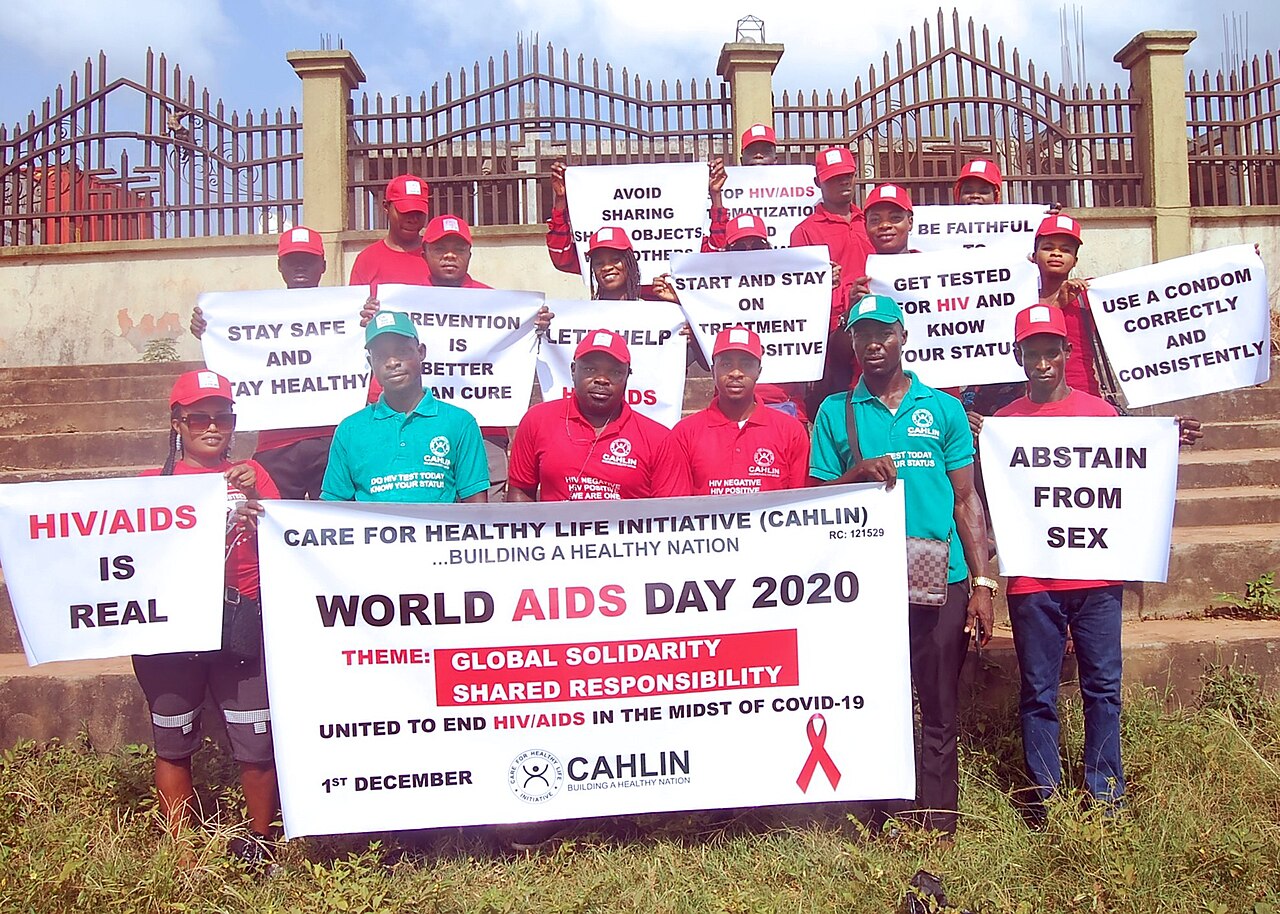
More than 24 years ago, a woman in Nigeria known as Mrs Joy learned she had HIV while she was pregnant with her first child. "I thought that I and my baby were going to die soon after," she told the News Agency of Nigeria. Today, she says, she is fine, and that little baby and the three children she had after him are all HIV negative and doing exceedingly well. Nigeria has come a long way. Today almost everyone diagnosed is on treatment, and new infections fell from about 130,000 a year in 2010 to 64,000 last year. Health leaders say that is still too many, and the work now is reaching everyone without stigma. This Tuesday is World AIDS Day: one simple step is to get tested, and encourage someone you love to do the same.
Mrs Joy's story opens a News Agency of Nigeria feature published ahead of World AIDS Day. In it, Dr Temitope Ilori, Director-General of the National Agency for the Control of AIDS (NACA), said HIV prevalence in Nigeria has fallen from 5.8 per cent in 2001 to 1.3 per cent in 2025, and that yearly AIDS-related deaths dropped from 80,000 in 2010 to 32,000 in 2025. She said 80 per cent of people living with HIV now know their status, 98 per cent of those diagnosed are receiving antiretroviral therapy and 94 per cent have achieved viral suppression. "Science and medicine have given us the tools to stop HIV transmission and ensure long, healthy lives," she said.
The gaps are still large. The 64,000 new infections in 2025 are far above the fewer than 5,000 a year experts say Nigeria must reach to end AIDS as a public health threat by 2030. One in five people living with HIV still do not know their status, and 34 per cent of babies exposed to HIV miss early diagnosis. Dr Akudo Ikpeazu of the World Health Organization noted that outside sources still pay for more than 90 per cent of Nigeria's AIDS spending, and urged the country to build HIV prevention into its own budgets and institutions: "External support has been a bridge, and bridges are for crossing, not to live on." The 2026 World AIDS Day theme is "Ending AIDS Starts with Access: Equity, Ownership and Sustainability."
Protecting babies is a big part of that work. UNAIDS reports that without treatment, the risk of a mother passing HIV to her baby is between 15% and 45%; with effective treatment that keeps the virus suppressed, it falls below 1%. In Nigeria in 2025, more than 45,000 pregnant women living with HIV needed these services, but only an estimated 61% were on treatment. Since 2017, "mentor mothers", women living with HIV who have had children themselves, have helped others start and stay on treatment. One of them, Princess Alex in Nasarawa State, was diagnosed in 2009; her first child tested HIV-negative, and so did the three who followed.
Stigma still keeps people away from care. Nicholas Ugbenyen of the Network of People Living with HIV/AIDS in Nigeria told the News Agency of Nigeria that "People living with HIV and affected communities must remain at the centre of HIV response," and Esther Hindi of the Association of Women Living with HIV/AIDS urged communities to replace stigma with compassion, noting that people are more likely to seek testing and treatment when they feel accepted.
Who is working on this
- Institute of Human Virology, Nigeria (IHVN): a Nigerian non-governmental organisation that has provided HIV care and treatment to more than 817,500 people in more than 24 states since 2004; its Executive Officer, Dr Patrick Dakum, called for equitable access and sustained investment in the News Agency of Nigeria feature.
- UNAIDS: the Joint United Nations Programme on HIV/AIDS supports Nigeria's response and is calling for the mentor mother programme to become part of the country's basic public health services.
Learn more
- News Agency of Nigeria: Ending AIDS by 2030: Nigeria's giant strides, tougher journey ahead
- UNAIDS: Mentor mothers in Nigeria help women living with HIV protect their babies, often at their own cost
This story was featured in today's Humanitarian Explorer podcast. Sources: News Agency of Nigeria, "Ending AIDS by 2030: Nigeria's giant strides, tougher journey ahead," 29 November 2026; UNAIDS, "Mentor mothers in Nigeria help women living with HIV protect their babies, often at their own cost," 26 November 2026.
How you can help
Support the people and programmes helping Nigerians get tested, stay on treatment and raise HIV-free children.