As El Niño Brings Drought, Guatemala Offers Farm Families Seeds, Irrigation, Insurance and Credit
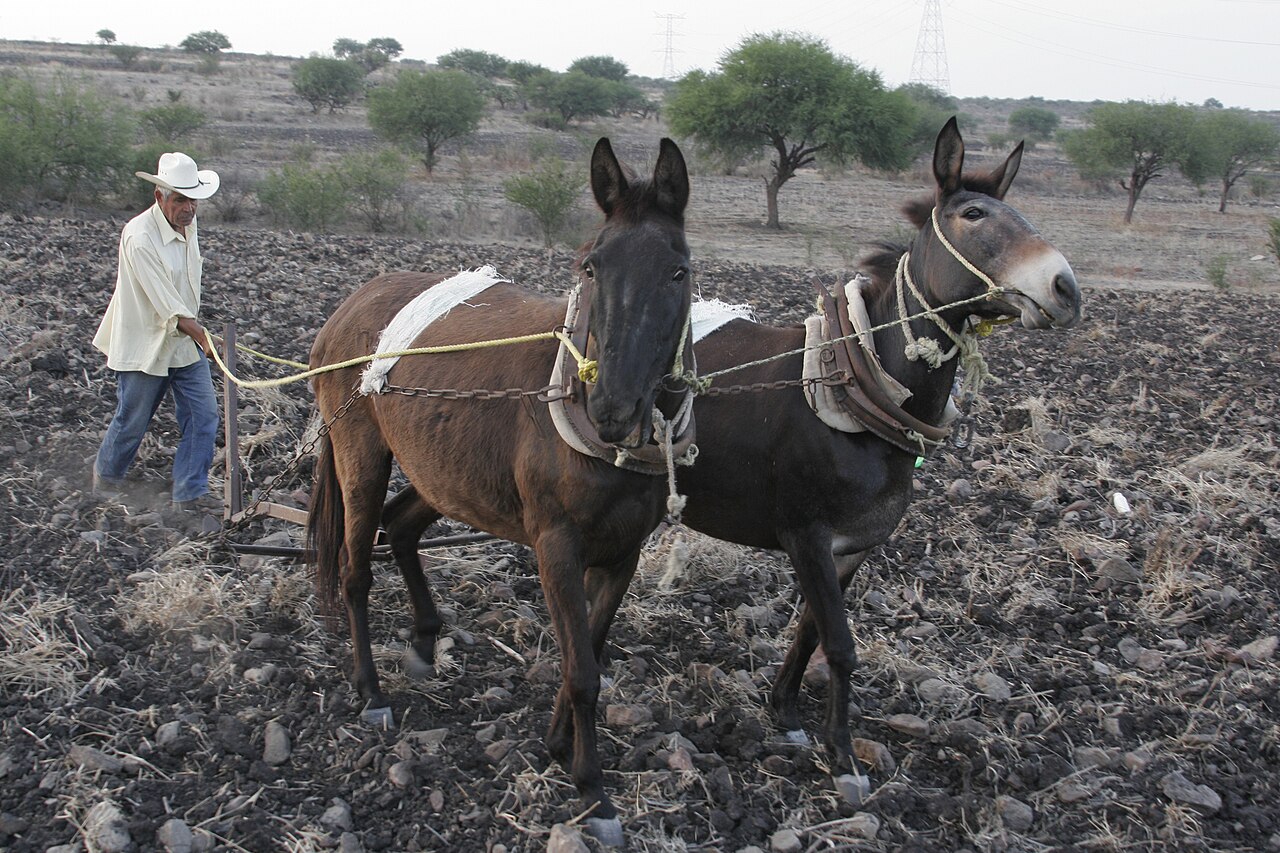
In Guatemala, many farming families depend on the rain to grow their food. This season, the El Nino weather pattern is bringing drought, irregular rain and heat. At a national farmers' congress, Guatemala's agriculture ministry announced seven kinds of help for farm families, including seeds, irrigation, crop insurance and credit. And 351 families in two farming communities received the deeds to their land. An Indigenous representative on the country's land fund urged farmers to move from selling their harvests to middlemen and become exporters of their own products. The World Food Programme helps rural Guatemalan communities prepare for climate shocks; you can support it at wfp.org.
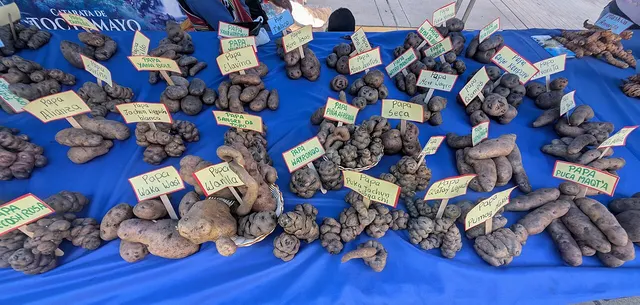
According to Guatemala's Ministry of Agriculture, Livestock and Food (MAGA), the support presented to farmers includes seeds, technical assistance, irrigation systems, water and soil conservation, agricultural insurance and credit, along with options to diversify what they grow. The measures were laid out at the first National Farmers' Congress 2026, organized by the Asociación IXOQ MAYAJ. Agriculture Minister José Antonio López Leonardo told the gathering that changes in rainfall and high temperatures can damage harvests, cut family incomes and threaten the availability of food, so farmers need to prepare ahead of time. The ministry said a key aim was to make sure producers know how to apply for this help and what the requirements are, so they can use it before the weather turns into losses for their families.
The need is large. In August, Guatemala's government warned, based on the Integrated Food Security Phase Classification, that about 3.2 million people, or 17 percent of the population, could face acute food insecurity in the third quarter of 2026, with Alta Verapaz the most affected department, Emisoras Unidas reported with EFE. Authorities expected a slight improvement to about 2.6 million people between October 2026 and February 2027, thanks to year-end harvests and seasonal work. In November, EFE reported that about 1.2 million families had been affected by drought this year, and that Oxfam assessments in 354 communities found 97.7 percent of maize farmers had lost crops and 73 percent had lost their poultry, leaving most rural families with food reserves of three weeks or less.
Help is also coming before the worst months. The World Food Programme says it began issuing early warnings in April and gave cash assistance to families most at risk, reaching more than 409,000 people across the Dry Corridor countries. In El Aguacate, in Guatemala's San Pedro Pinula municipality, families used WFP cash to buy staple foods in bulk while prices were low and store them in community silos. "Across Central America, millions of families are now eating less and eating worse," wrote Lena Savelli, WFP's regional director for Latin America and the Caribbean. Oxfam and the European Union, working in a consortium with Action Against Hunger and local partners, have given cash and food support to more than 8,300 vulnerable people in Guatemala and Honduras. Miriam Del Cid of the local partner ASEDECHI warned that the hardest effects on livelihoods will be felt from next year, because of the lack of work in the grain and coffee harvests.
Who is working on this
- World Food Programme: gives early warnings and cash assistance so families in Guatemala's Dry Corridor can store food in community silos before drought hits hardest.
- Oxfam: with European Union funding, has provided cash transfers and food support to families facing hunger from drought in Guatemala and Honduras.
- Action Against Hunger: part of the Oxfam-led consortium responding to drought-driven food insecurity in Guatemala and Honduras.
Learn more
- MAGA: Agricultores tendrán apoyo para proteger sus cultivos ante el fenómeno de El Niño
- World Food Programme: How El Niño is driving hunger and drought across Central America
- Emisoras Unidas (EFE): Guatemala enfrenta los efectos de la sequía: productores reportan pérdidas
- Emisoras Unidas: "El Niño" amenaza con dejar sin alimento a 3,2 millones de personas en Guatemala
This story was featured in today's Humanitarian Explorer podcast. Sources: Ministerio de Agricultura, Ganadería y Alimentación, "Agricultores tendrán apoyo para proteger sus cultivos ante el fenómeno de El Niño," 27 November 2026; World Food Programme, "How El Niño is driving hunger and drought across Central America," 22 October 2026; Emisoras Unidas (EFE), "Guatemala enfrenta los efectos de la sequía: productores reportan pérdidas," 18 November 2026; Emisoras Unidas, "'El Niño' amenaza con dejar sin alimento a 3,2 millones de personas en Guatemala," 7 August 2026.
How you can help
Support the groups helping Guatemala's farming families get through the drought.