From One in Five to Under 2.5 Percent: The Dominican Republic Leaves the FAO Hunger Map
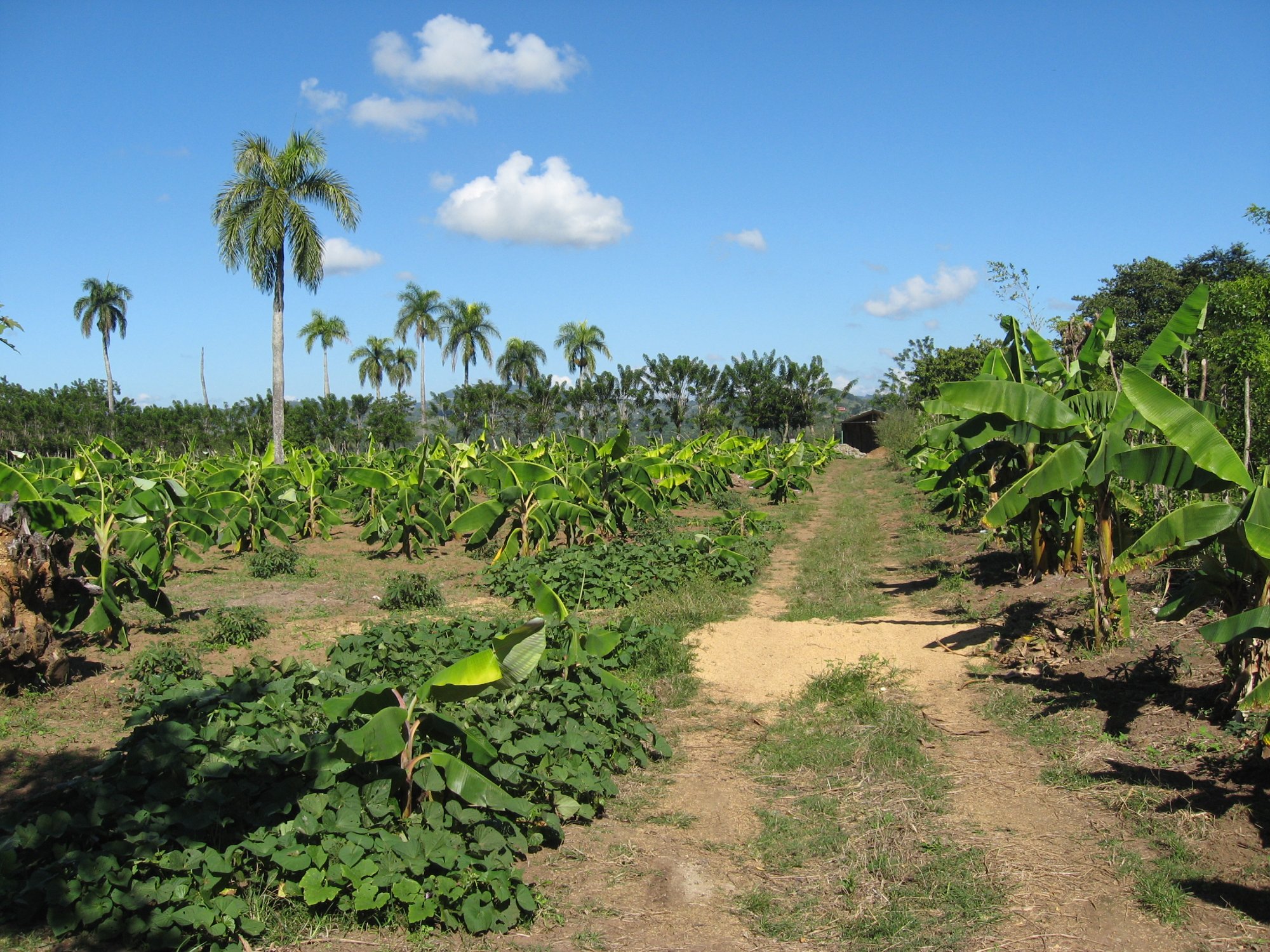
Two decades ago, more than one in five people in the Dominican Republic did not get enough calories to lead a healthy life. Today that share is below 2.5 percent, and the country has left the Hunger Map kept by the Food and Agriculture Organization of the United Nations (FAO).
FAO reported on October 28, 2026, that its Director-General, QU Dongyu, praised the achievement while wrapping up an official visit to the Dominican Republic. Speaking at a World Food Day commemorative event at the Presidential Palace in Santo Domingo, he cited figures from FAO's latest report, The State of Food Security and Nutrition in the World 2026.
"This achievement belongs to the families who no longer experience hunger, and to those who made it possible: the Government, producers, organizations and society as a whole," he said.
Continuity, not a single fix
According to FAO, the Director-General said the Dominican experience reflected a holistic approach and continuity in public policy, and showed that a country's size does not determine its ability to make progress against hunger. He also cautioned that the gains must be sustained, because food security progress can easily be reversed. "We have the science and the innovation, and the solutions, that make it possible to bend the hunger curve downwards," he added.
From the farm to the school kitchen
The visit offered a look at some of the work behind the numbers. In the community of Maria Ruiz in Higüey, FAO's Director-General visited a FAO Village project that connects family farmers with the tourism industry, helping smallholders find steady buyers while hotels and restaurants gain reliable, quality supply. He also toured the BioArroz Experimental Rice Station in Bonao, which works on genetic improvement, seed development and sustainable growing practices for rice, a staple food in the country.
In Monte Plata, he visited the school feeding programme at the Camila Beato Salas Educational Center, part of joint work between FAO and the government to improve school kitchens, promote nutritious menus built on local foods and establish school gardens.
It is a hopeful reminder that ending hunger is rarely the result of one dramatic act. It grows from many patient, connected efforts: a farmer who finds a fair market, a school that serves a good meal, a public policy that is carried forward from one year to the next. And, as FAO notes, it needs tending so that it lasts.
How you can help
Source: FAO, "Director-General hails Dominican Republic's exit from Hunger Map," October 28, 2026 .